
Cancer treatments, considered together
Understanding treatment options is an important part of cancer care. Explore radiation therapy, immunotherapy, surgery and chemotherapy, and how specialists may coordinate them around an individual diagnosis.
Explore the care pathways
Not every treatment is suitable for every cancer. The choice and sequence of care depend on the cancer type and stage, test results, overall health and treatment goals.

Radiation Therapy
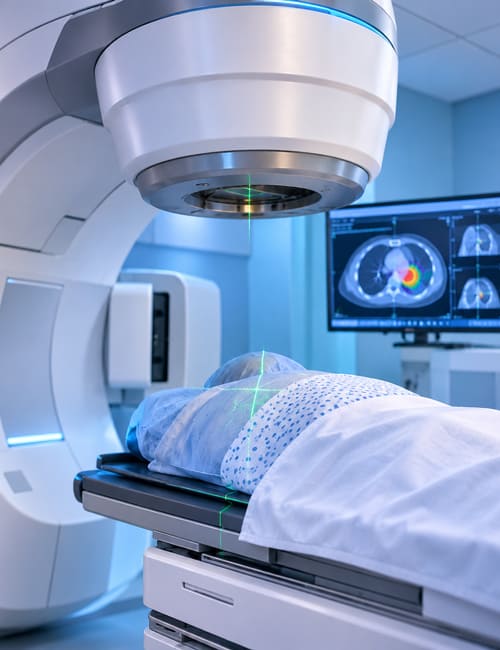
Carefully directed radiation may be used to treat a tumour, reduce recurrence risk or relieve symptoms. Learn about planning and precision techniques such as SBRT, IMRT, IGRT and brachytherapy.
Explore radiation therapy
Immunotherapy
Some medicines help the immune system recognise or act against cancer. A medical oncologist assesses suitability based on diagnosis, biomarkers and health history.
Explore immunotherapy
Cancer Surgery
Surgery may be considered to diagnose or remove a tumour. Surgical oncologists guide operations, with radiation considered before or after surgery when appropriate.
Explore cancer surgery
Chemotherapy
Anti-cancer medicines may be used alone or alongside surgery and radiation. A medical oncologist selects and monitors the treatment plan.
Explore chemotherapyOne plan, shaped around the person
Review the diagnosis
Consider pathology, scans, medical history and any treatment already received.
Discuss the options
Explain the possible benefits, limitations and goals of relevant treatments.
Coordinate specialists
Bring radiation, medical and surgical oncology perspectives together when needed.
Plan next steps
Agree on the appropriate treatment pathway and follow-up after clinical assessment.
Support for treatment decisions
Request a second opinion
Review an existing diagnosis or proposed treatment plan with a specialist.
Learn moreOur approach
Understand how clinical findings and personal priorities guide care planning.
Learn moreCancers treated
Explore information about different cancer types and the potential role of radiation.
Explore cancersFrequently Asked Questions
Will I need more than one type of cancer treatment?
Some treatment plans combine surgery, radiation and medicines; others use a single approach. The decision depends on your diagnosis and clinical assessment.
Who decides whether chemotherapy or immunotherapy is appropriate?
A medical oncologist assesses systemic treatments, while radiation oncologists and surgical oncologists contribute where their specialties are relevant.
Can I ask for a second opinion before starting treatment?
Yes. You can request a review of your reports and proposed plan. Contact the clinic to confirm the consultation and document-submission process.
Questions about your treatment options?
Discuss your reports and next steps with the clinic. Treatment recommendations require an individual clinical evaluation.